Gqeberha’s economic development story could gain another important chapter, with discussions under way around establishing a Coega Science and Innovation Park within the Coega Special Economic Zone.
The proposal is still at an early stage. It is not yet a completed development, and there is no basis for suggesting that it will directly increase residential property values.
But it is worth paying attention to.
The Department of Science, Technology and Innovation, the National Advisory Council on Innovation and the Coega Development Corporation have been discussing the potential establishment of the park, which would connect scientific research more closely with industry, technology development and commercial opportunities.
For Gqeberha, the bigger question is what initiatives like this could mean for the city’s longer term economic base and, eventually, the environment in which its residential property market operates.
What is the proposed Coega Science and Innovation Park?
Science, Technology and Innovation Minister Blade Nzimande visited the Coega Special Economic Zone on 4 September 2026 as part of ongoing discussions around the proposal.
According to the Department, the proposed Coega Science and Innovation Park is intended to strengthen the regional innovation ecosystem and establish Coega as a more significant part of South Africa’s innovation network.
The concept aligns with priorities including digital transformation, energy security, green hydrogen and developing greater capacity in science, technology and innovation.
Importantly, the idea isn’t simply to construct another research institution.
Nzimande explained during his Coega visit that the intention is to bring existing capabilities together, connecting universities, research platforms, government, science agencies and businesses more effectively.
That distinction matters.
The opportunity lies in taking research and technology beyond the laboratory and creating an environment where they can be tested, developed and potentially turned into commercial products and businesses.
Why Coega?
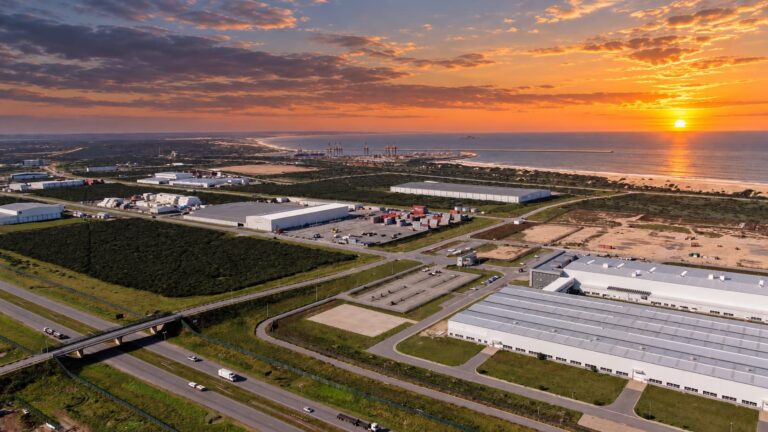
Coega already has something a new standalone technology hub would have to spend years developing: an established industrial environment.
The Special Economic Zone includes activity across automotive manufacturing, metals, chemicals, energy, agro processing, aquaculture, logistics, maritime industries and advanced manufacturing.
It also sits alongside the Port of Ngqura and has existing infrastructure and logistics capabilities.
The proposed park could therefore allow researchers, startups and established businesses to develop and test technologies alongside industries already operating within the SEZ.
One example raised during the Minister’s visit was green hydrogen. Emerging businesses could potentially work alongside established industrial operations to develop and test technologies in a practical environment rather than developing them in isolation.
Coega described the Minister’s visit as identifying the SEZ as a potential platform for more innovation led industrialisation, with the proposed park accompanied by a call for a broader Science, Technology and Innovation Forum for Nelson Mandela Bay.
What could it mean for Gqeberha?
This is where the story becomes relevant beyond Coega itself.
Industrial developments are important because of the investment they attract, but a city also benefits from developing a broader range of employment and business opportunities.
A successful innovation ecosystem could potentially support researchers, engineers, technicians, entrepreneurs, technology businesses, manufacturers and supporting services.
The proposed park is intended to connect research and development with advanced manufacturing, technology commercialisation, skills development, enterprise development and investment.
Those are important objectives for Nelson Mandela Bay.
But there is a significant difference between potential and delivery.
At this stage, the Science and Innovation Park remains a proposal. The information released so far does not establish how large it will ultimately be, how much investment will be committed, when it could become operational or how many jobs it will create.
Those details will matter enormously when assessing its eventual economic impact.
For now, the significance lies in the direction being considered.
What does this have to do with the Gqeberha property market?
There is a temptation whenever a major investment or development is announced to immediately ask:
Will this push property prices up?
That isn’t how residential property markets work.
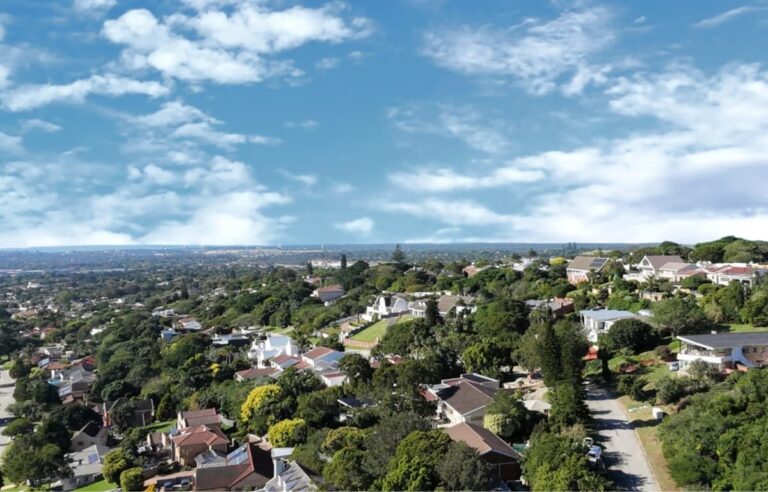
A proposed development at Coega doesn’t suddenly make a house in Lorraine, Walmer, Summerstrand or elsewhere in Gqeberha more valuable.
Individual property values are influenced by factors such as location, buyer demand, affordability, comparable sales, property type, size, condition, security, improvements and competing properties available at the time.
The relationship between economic development and residential property is much broader.
A healthy residential property market ultimately depends on people being able and willing to live, work and invest in a city.
Employment opportunities are part of that equation.
So are population movements, household incomes, business confidence, infrastructure, interest rates, housing supply and affordability.
This is why developments that strengthen a city’s employment and investment base are relevant to property, even when there is no direct or immediate effect on house prices.
Jobs matter to housing demand
Property demand doesn’t exist independently of the local economy.
People generally need employment and income before they can rent or buy homes.
Businesses also bring employees into areas, while growing industries can create demand for supporting services and additional employment beyond the companies making the original investment.
This doesn’t mean that every new job at Coega translates into another property sale in Gqeberha.
The relationship is far more complicated than that.
But over the longer term, a city capable of attracting businesses, developing industries and creating employment has a stronger foundation from which residential demand can develop.
That is the property angle LEAP believes is worth watching.
The Coega Science and Innovation Park would therefore be more significant for residential property if it eventually succeeds in attracting sustained investment, businesses and skilled employment rather than simply because a new facility has been proposed.
Coega is already part of a much bigger investment picture
The Science and Innovation Park should also not be considered in isolation.
Coega has developed into an important industrial and logistics node within Nelson Mandela Bay, supported by the neighbouring Port of Ngqura.
Current investment opportunities connected with the area extend across several sectors. InvestSA’s 2026 project pipeline, for example, includes a proposed LNG import terminal at the Port of Ngqura, a fluorochemicals plant within the Coega SEZ and a large aquaculture development. These projects are at different stages and should not all be treated as completed investments.
Coega’s own reporting also describes domestic and foreign investment as important not only for capital formation, but for private sector participation, skills development and technology transfer.
The proposed innovation park would add a different dimension to that story.
Instead of focusing only on attracting established industries to the SEZ, the concept could help create stronger links between research, technology development and the industries already operating there.
For Nelson Mandela Bay, that could help broaden the type of economic activity taking place around Coega.
Could it attract skilled professionals to Gqeberha?
Potentially, but it is too early to say how significant that effect could be.
If the park develops as intended and attracts research organisations, technology businesses and advanced manufacturing activity, some of the opportunities created could require specialised skills.
That could mean opportunities for existing residents, graduates entering the workforce and potentially professionals relocating to Nelson Mandela Bay.
From a residential property perspective, this is worth monitoring.
Relocation for employment can contribute to both rental and purchasing demand. The type of housing required will depend on who is moving, their income, household circumstances, preferred commute and the length of time they expect to remain in the city.
But none of that demand should be assumed before the investment and employment actually materialise.
For LEAP, the more useful approach is to watch how Coega’s development translates into real economic activity and then consider what the evidence tells us about housing demand.
Location still matters
Even if Coega continues attracting employment, the impact wouldn’t necessarily be concentrated in the suburbs immediately surrounding the SEZ.
People don’t choose homes based solely on the shortest possible commute.
They consider affordability, schools, security, property type, lifestyle, shopping, access to major routes and proximity to family, among many other factors.
Gqeberha’s relatively connected urban layout means people working in one part of the metro can consider housing across a much broader residential area.
That makes it difficult to draw a simple line between one employment node and one residential suburb.
Any future effect of the Coega Science and Innovation Park on residential demand would therefore need to be assessed across the wider Nelson Mandela Bay property market rather than through assumptions about a particular suburb.
What should Gqeberha homeowners take from this?
For homeowners, the proposal is positive economic news worth following, but it isn’t a reason to revise an asking price.
Property pricing needs to remain grounded in the evidence available for the individual property and its immediate market.
A Comparative Market Analysis looks at relevant recent sales, competing properties, the characteristics of the home and current buyer activity to determine how a property should be positioned.
A proposed development several kilometres away doesn’t replace that evidence.
Where broader economic development does become useful is in understanding the environment in which the market is operating.
If Gqeberha continues attracting investment, expanding employment opportunities and developing new industries, those trends can contribute to the city’s longer term residential property story.
The key word is longer term.
What should buyers take from it?
For buyers considering Gqeberha, developments at Coega form part of the broader picture of the city they are buying into.
A home is a long term purchase for many households. It is therefore reasonable to look beyond the individual property and consider employment, infrastructure, investment and development across the metro.
But buyers shouldn’t purchase a particular property because they expect the proposed innovation park to push its value higher.
There is no evidence to support that conclusion.
A better approach is to evaluate the property on its own merits while remaining aware of the economic changes taking place across Nelson Mandela Bay.
A development worth watching
The Coega Science and Innovation Park is still a proposal.
That needs to remain at the centre of any discussion about its potential impact.
There are still important questions around funding, scale, implementation, participating organisations, investment and the eventual number and type of employment opportunities it could create.
But the concept is significant.
Coega already brings together industrial infrastructure, logistics, manufacturing and access to the Port of Ngqura. Connecting that environment more closely with universities, researchers, technology businesses and entrepreneurs could add another layer to Nelson Mandela Bay’s economic development.
From a property perspective, LEAP won’t be watching for an overnight increase in house prices.
We’ll be watching what matters more:
whether proposals like this translate into investment, businesses, skills and sustainable employment in Gqeberha.
Because over the long term, the strength of a city’s residential property market is closely connected to the strength of the economy supporting the people who live there.