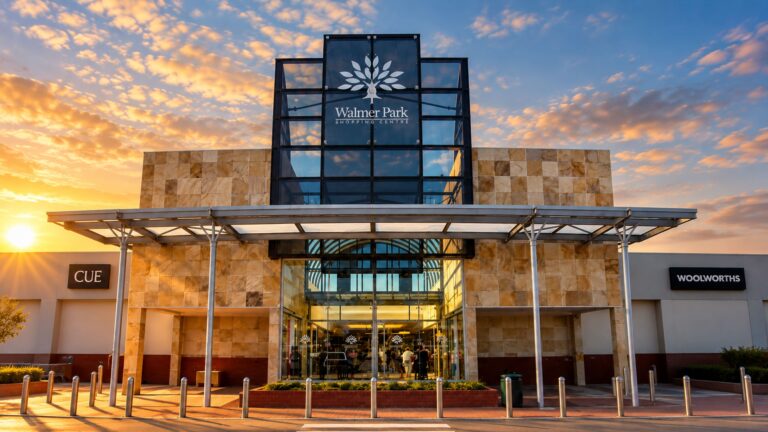
Walmer Park Shopping Centre’s R75 million redevelopment has entered its final phase, marking another substantial investment in one of Gqeberha’s most established residential and commercial areas.
The first phase has been completed, while the overall redevelopment remains on track for completion in November 2026. The project includes a new internal mall area, changes to the tenant mix, expanded and relocated stores, upgraded energy efficient lighting and integration with the centre’s existing rooftop solar infrastructure.
New retailers are also being introduced. Yuppiechef and ARC are expected to make their Eastern Cape debuts at Walmer Park, while iStore, Cape Union Mart and Totalsports will occupy larger or redesigned stores. MR.DIY is scheduled to open in October.
The redevelopment itself is significant.
But for homeowners and buyers, the more interesting property story isn’t simply what is happening inside the shopping centre.
It is what continued private investment in an established area like Walmer tells us about the broader environment surrounding residential property.
At LEAP Real Estate, we wouldn’t suggest that spending R75 million on a nearby shopping centre automatically increases the value of homes in Walmer.
Property doesn’t work that way.
But location does matter, and part of the strength of a location comes from the amenities, infrastructure and investment that continue to support it.
What Is Happening at Walmer Park Shopping Centre?
The redevelopment began in March 2026 and represents the eighth upgrade in Walmer Park’s 38 year history.
A central part of the project has been the reconfiguration of the former 4,680m² Edgars store into a smaller 1,982m² format. This freed space for a new internal mall area and additional retailers.
Phase one has now been completed.
The final phase, which began in July, is focused on completing the new internal mall area and creating a connection between the expanded Cape Union Mart and the new Edgars location.
Several new and reworked stores form part of the redevelopment. Burnt Studios, Old School, Bootlegger Coffee Company, FARO, a revamped Slops and Clogs and Cellini have already been introduced as part of the first phase.
The next stage will add Yuppiechef and ARC, both entering the Eastern Cape market, together with a larger redesigned iStore, an upgraded Cape Union Mart and a larger Totalsports.
The project also includes energy efficient lighting and incorporates Walmer Park’s rooftop solar installation. The centre also has standby generation and continues to provide filtered borehole water to customers and tenants.
For shoppers, those changes mean a broader retail offering.
For property owners, there is another question worth asking:
Why does continued investment in an established commercial node matter to the surrounding residential area?
Why Continued Investment Matters
There is an important difference between saying that continued investment is positive for an area and claiming that a particular development will increase nearby property prices.
We would not make the second claim.
A R75 million redevelopment of Walmer Park does not suddenly make every home in Walmer more valuable.
Residential property values are influenced by a much broader combination of factors, including buyer demand, affordability, comparable sales, the property’s position within the suburb, erf and building size, condition, improvements, security and the amount of competing property available at the time.
But the continued investment surrounding residential property still matters.
Established areas need to remain relevant.
Commercial properties need to be maintained. Retail offerings need to evolve. Infrastructure needs continued investment. Businesses need reasons to remain in an area, and residents need convenient access to the services they use regularly.
In Walmer Park’s case, the investment is also being made in an already established retail asset rather than an entirely new shopping destination.
Growthpoint has said the redevelopment is being driven by the centre’s trading performance and tenant demand. Earlier project information placed vacancies at approximately 1.5%, with the redevelopment creating an opportunity to introduce additional retailers into an otherwise heavily occupied centre.
That provides useful context.
The investment isn’t intended to create a commercial node from scratch.
It is reinvestment in one that already exists.
Walmer Isn’t Standing Still
One of the advantages of buying in an established suburb is maturity.
The roads, schools, businesses, shopping areas and residential neighbourhoods already exist. Buyers aren’t necessarily waiting for an entirely new precinct to develop around them.
But established doesn’t have to mean static.
The challenge for mature areas is ensuring that the amenities supporting them continue to adapt as consumer expectations and the city itself change.
The Walmer Park redevelopment is a good example.
Instead of simply maintaining the shopping centre in its existing form, substantial capital is being invested in reconfiguring retail space, introducing new retailers, expanding existing stores and improving parts of the centre’s infrastructure.
It is also not the only retail investment taking place in Gqeberha. Growthpoint has undertaken redevelopment work at Greenacres Shopping Centre as part of its broader retail property strategy.
From a residential property perspective, the relevant takeaway is more measured:
Walmer continues to sit alongside a commercial node attracting meaningful private investment.
For homeowners, that is far more useful than trying to attach an arbitrary percentage increase in property values to one development.
Does the Walmer Park Redevelopment Increase Property Values?
This deserves a direct answer.
Not automatically.
It would be misleading to take the R75 million being invested in Walmer Park Shopping Centre and translate that into an expected increase in surrounding residential property values.
There are too many other variables involved.
Even two properties on the same street can achieve different selling prices because of differences in condition, accommodation, erf size, improvements, orientation, security and presentation.
Market conditions at the time of sale matter too.
What continued investment can do is contribute to the broader attractiveness and relevance of the area surrounding those properties.
That distinction matters.
A strong location can support buyer interest, but it doesn’t remove the need to assess an individual property against relevant comparable sales and current market competition.
What Does This Mean for Walmer Homeowners?
If you already own property in Walmer, the redevelopment should be viewed as part of a much bigger picture.
Your home’s value hasn’t increased simply because R75 million is being invested down the road.
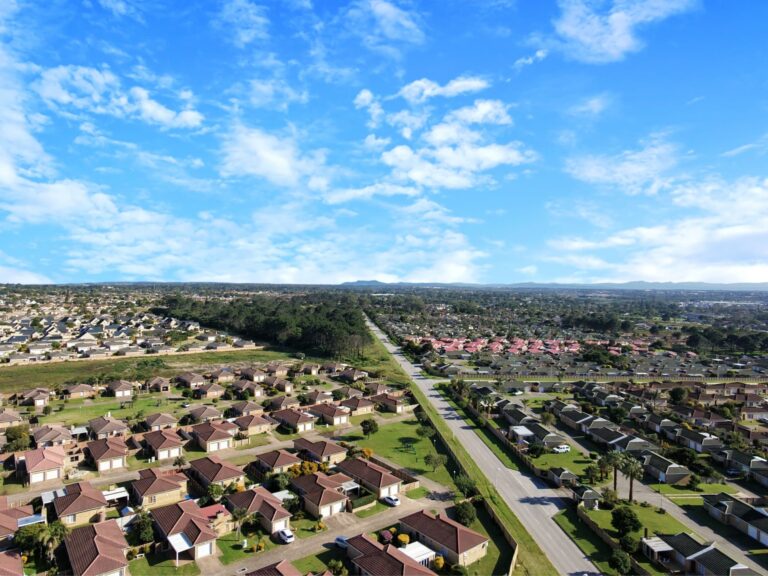
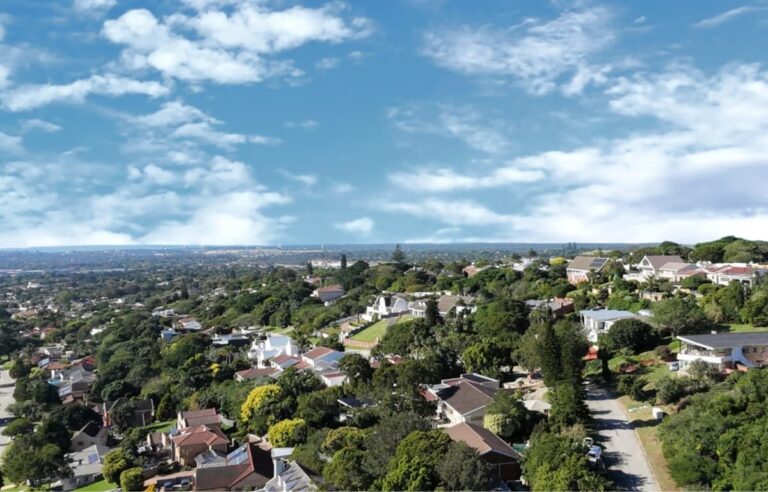
What matters is that Walmer continues to function as an established residential and commercial node within Gqeberha.
Continued investment helps support that environment.
When buyers consider a property in Walmer, they’re evaluating the complete proposition: the home, its street, the surrounding neighbourhood, access to amenities and how the location fits their lifestyle.
The stronger that overall proposition remains, the better positioned an established area is to continue competing for buyer attention.
For sellers, however, that doesn’t mean the location can compensate for unrealistic pricing.
A well located property can still struggle to sell if buyers believe the asking price is out of line with comparable properties.
What Should Walmer Sellers Focus On?
If you’re considering selling property in Walmer, developments like this provide useful context, but they shouldn’t determine your asking price.
The starting point should still be the property itself.
What have genuinely comparable Walmer homes sold for?
What properties are currently competing for the same buyers?
How does your home’s size, condition, accommodation, position and level of improvement compare?
And how should the property be presented and marketed within that competitive environment?
At LEAP Real Estate, we use a Comparative Market Analysis to bring relevant market evidence together before discussing how a property should be positioned.
The surrounding location is part of that conversation.
But it is one part.
Final Thoughts
The final phase of Walmer Park Shopping Centre’s R75 million redevelopment is expected to be completed in November 2026, adding new retail space, new brands and upgraded infrastructure to an already established Gqeberha shopping destination.
For Walmer’s residential property market, the significance isn’t that the redevelopment guarantees higher house prices.
It doesn’t.
The more useful observation is that substantial private investment continues to be made in an established commercial node serving the area.
For buyers considering Walmer, that investment contributes to an already substantial network of nearby amenities.
For homeowners, it forms part of the broader environment surrounding their property.
And for sellers, it reinforces an important principle of residential property marketing:
You’re not only selling the home. You’re also selling the location.
Explore our Walmer Area Profile to learn more about living and owning property in the suburb.
This article provides general property-market information. Nearby development or investment does not guarantee an increase in the market value of an individual property. Property values depend on the characteristics of the property, comparable market evidence, buyer demand and prevailing market conditions.