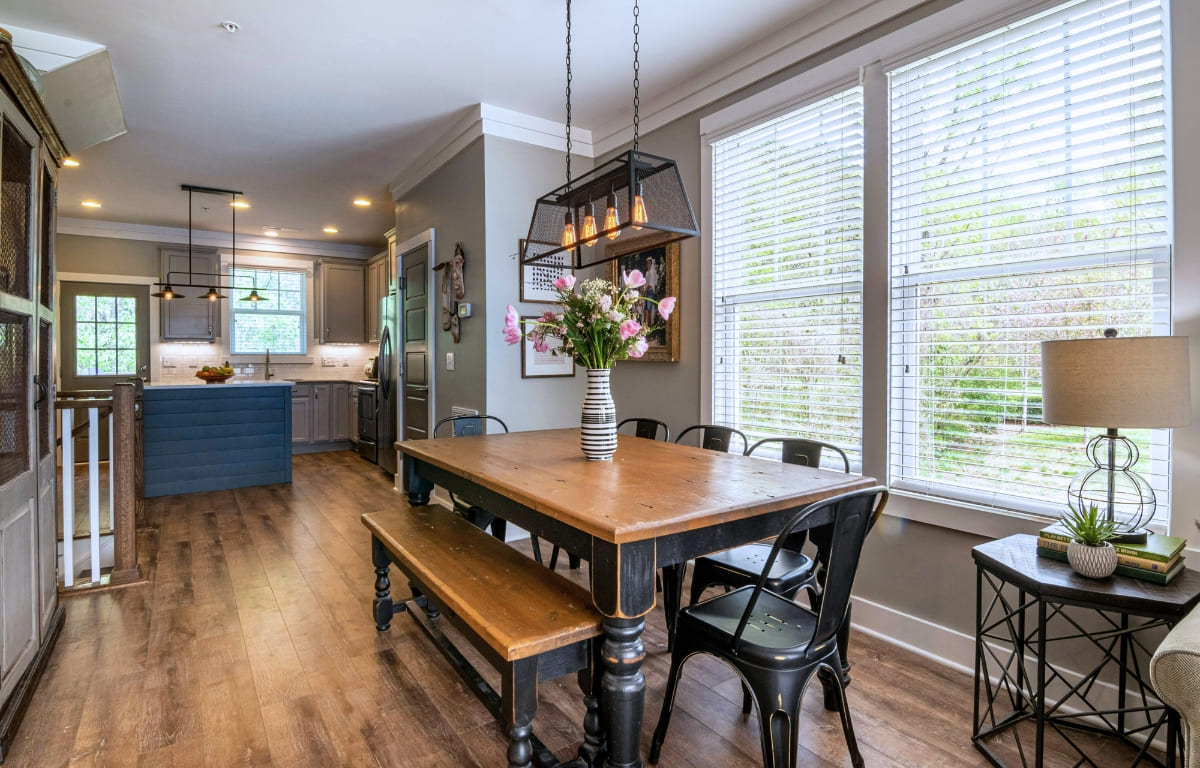

Buying property is rarely a quick or impulsive decision.
Most buyers spend weeks or even months comparing homes before making an offer. During that time, they are constantly evaluating properties against one another while balancing practical needs, financial limits, lifestyle goals, and future plans.
Sellers sometimes assume buyers view their property in isolation, but this is almost never the case. Buyers compare pricing, condition, location, layout, maintenance, security, monthly costs, and overall value across multiple listings simultaneously.
Understanding how buyers think during the search process helps sellers position their property more effectively. It also explains why certain homes generate strong interest quickly while others struggle to maintain momentum despite appearing similar on the surface.
Buyer behaviour is shaped by both logic and emotion. A property needs to make practical sense financially, but it also needs to create confidence and emotional connection during the viewing process.
The strongest sales usually happen when both of these elements work together.
Buyers Start Comparing Properties Online
The property search process almost always begins online.
Before arranging viewings, buyers spend significant time browsing listings, comparing prices, studying photographs, reviewing layouts, and filtering properties according to their budget and preferences.
This means a buyer’s first impression is usually formed long before they physically enter the home.
Buyers quickly compare asking prices, property condition, suburb location, room sizes, finishes, outdoor space, parking, and overall presentation.
Online browsing also allows buyers to monitor how long properties remain on the market. Listings that sit unsold for extended periods may create hesitation, especially if competing homes appear more realistically priced or better presented.
A strong online presentation helps buyers feel confident enough to arrange a viewing. Poor photography, weak descriptions, or unrealistic pricing often reduce enquiries before the seller even has an opportunity to engage with potential buyers directly.
Buyers Compare Value, Not Just Price
Many sellers focus heavily on the asking price alone, but buyers usually compare overall value instead.
Two homes may be priced similarly while offering completely different levels of appeal depending on condition, location, layout, finishes, maintenance requirements, or future renovation costs.
Buyers constantly ask themselves:
“What am I getting for this price compared with other available options?”
This is why pricing strategy matters so much. A property that feels overpriced relative to nearby alternatives may struggle to attract serious interest, even if the seller believes the price is justified emotionally.
Value is influenced by perception as much as numbers.
A clean, well-maintained property with strong presentation often creates more buyer confidence than a neglected property priced similarly.
Buyers generally become more comfortable paying stronger prices when the home feels cared for, functional, and realistically positioned within the market.
Presentation Shapes Buyer Perception Quickly
First impressions influence buyer behaviour far more than many sellers realise.
Most buyers begin forming opinions within minutes of arriving at a property. Cleanliness, lighting, layout, maintenance, and general atmosphere all affect how the home is experienced emotionally.
Small details often influence perception significantly. Cluttered spaces, poor lighting, neglected gardens, strong odours, damaged finishes, or visible maintenance concerns can quickly reduce buyer confidence.
Even when buyers like the overall property, visible issues can trigger concerns about hidden problems elsewhere.
Good presentation does not necessarily require expensive renovations. Buyers usually respond most positively to homes that feel clean, organised, well maintained, and easy to imagine living in.
Presentation also affects negotiation later. Buyers tend to negotiate more aggressively when they believe significant repairs or updates will be required after purchase.
If you are planning to sell soon, understanding How To Prepare Your Property Before Selling can help you create a stronger first impression and improve buyer confidence from the start.
Buyers Often Shop Emotionally First
Although buyers analyse numbers carefully, emotional response still plays a major role in decision-making.
A property may meet every practical requirement on paper but still fail to create emotional connection during a viewing.
Buyers often respond emotionally to natural light, flow between spaces, atmosphere, outdoor areas, views, privacy, and how the home fits their lifestyle goals.
They imagine daily routines within the space:
- where furniture will go,
- how children will use the garden,
- how entertaining might work,
- or how comfortable the property feels overall.
This emotional reaction is important because it often influences how strongly buyers pursue a property later.
Homes that create positive emotional engagement frequently generate faster decisions and stronger offers.
Buyers Pay Attention to Layout and Practicality
While emotional response matters, buyers also evaluate practicality very carefully.
A property may be visually appealing but still lose buyer interest if the layout does not suit practical daily living.
Buyers often assess bedroom positioning, kitchen functionality, storage space, parking convenience, work-from-home potential, security, and overall usability.
Lifestyle compatibility matters significantly.
For example:
- families may prioritise school proximity and outdoor space,
- professionals may focus on convenience and low maintenance,
- retirees may evaluate accessibility and long-term practicality,
- while investors often analyse rental demand and ongoing costs.
Understanding the likely buyer profile helps sellers position the property more effectively during marketing and viewings.
Buyers Compare Properties Within Budget Ranges
Most buyers search within strict financial limits.
Property portals allow users to filter homes according to price brackets, which means small pricing decisions can significantly influence visibility and buyer exposure.
For example, a property priced slightly above a major search threshold may lose visibility to a large portion of active buyers even if they might realistically have stretched their budget slightly further.
This is one reason why correct pricing matters so much.
Buyers also compare monthly affordability rather than only total purchase price. Bond repayments, levies, rates, maintenance, utilities, and future renovation costs all influence how buyers evaluate affordability.
A property that appears reasonably priced initially may still feel expensive overall if buyers anticipate substantial additional costs after transfer.
Buyers Notice Time on Market
The amount of time a property remains listed influences buyer behaviour more than many sellers expect.
New listings often generate stronger attention because buyers feel urgency around fresh opportunities entering the market.
Properties that remain unsold for extended periods can create hesitation. Buyers may begin asking:
- why the property has not sold,
- whether the price is unrealistic,
- or whether hidden concerns exist.
This does not mean every property should sell immediately. Some homes naturally appeal to smaller buyer pools and require longer marketing periods.
However, unrealistic pricing or poor presentation often causes properties to lose momentum unnecessarily.
Once buyers perceive a listing as “stale,” negotiation dynamics may shift in the buyer’s favour because they assume the seller is becoming more motivated.
Buyers Research the Surrounding Area Carefully
The property itself is only one part of the purchasing decision.
Buyers also evaluate suburb reputation, nearby amenities, schools, traffic patterns, noise levels, safety, future development, and accessibility.
Different suburbs appeal to different buyer types depending on lifestyle priorities and budget expectations.
For many buyers, location determines long-term suitability just as much as the property itself.
Buyers often research recent sales, rental demand, infrastructure, and general neighbourhood appeal before making final decisions.
This is especially true for buyers planning long-term ownership or investment purchases.
Understanding what attracts buyers to a specific area helps sellers understand the features buyers are most likely to value.
You can get a better understanding of which amenities buyers may be attracted to in your area by exploring our suburb profiles.
Buyers Compare Risk as Well as Value
Property purchases involve significant financial commitment, which means buyers constantly assess risk throughout the process.
Visible maintenance problems, incomplete information, unrealistic pricing, or unclear communication can all increase uncertainty.
Buyers often ask themselves:
- Will this property require major repairs?
- Is the asking price realistic?
- Are there hidden problems?
- Will financing be approved comfortably?
- Is this property likely to retain value long term?
Properties that feel transparent, well maintained, and professionally marketed usually reduce buyer hesitation.
Trust plays a larger role in buyer behaviour than many sellers realise.
Clear communication, realistic pricing, and good preparation help buyers feel more comfortable progressing toward an offer.
Buyers Become More Selective at Higher Price Points
Buyer behaviour often changes depending on the price bracket of the property.
At higher price points, buyers tend to compare more carefully, expect stronger presentation, evaluate finishes more critically, and negotiate more strategically.
The buyer pool also becomes smaller as prices increase, which means properties may require more targeted positioning and longer marketing periods.
Luxury buyers, for example, often prioritise exclusivity, architecture, lifestyle features, privacy, and long-term value perception.
Entry-level buyers, on the other hand, may focus more heavily on affordability, financing approval, and practical day-to-day costs.
Understanding how buyer expectations shift across different price ranges helps sellers prepare more realistically.
Why Buyers Sometimes Hesitate
Many sellers become frustrated when buyers show interest but delay making offers.
Hesitation usually happens because buyers are still comparing alternatives or trying to reduce uncertainty before committing financially.
Common causes include:
- pricing concerns,
- uncertainty around condition,
- financing approval delays,
- emotional hesitation,
- or waiting to compare additional properties.
Property purchases are rarely impulsive decisions. Buyers often need time to process practical and financial considerations before proceeding confidently.
Pressure tactics generally weaken trust rather than improving negotiation outcomes.
Good preparation and realistic pricing usually create more confidence than aggressive sales approaches.
Understanding Buyer Feedback
Feedback from viewings can provide useful insight into how buyers are interpreting the property.
Repeated comments about pricing, maintenance, layout, lighting, or overall value perception often indicate patterns rather than isolated opinions.
Sellers sometimes dismiss feedback emotionally, particularly if criticism feels personal. However, buyer feedback frequently reveals how the market is genuinely responding to the property.
This does not mean every comment requires immediate changes. Some feedback simply reflects personal preference.
However, consistent concerns from multiple buyers usually deserve attention because they may affect broader market perception and negotiation strength.
Why Professional Guidance Matters
Understanding buyer behaviour requires more than simply observing whether viewings are happening.
Experienced property practitioners help interpret buyer feedback, enquiry levels, negotiation patterns, pricing resistance, and market positioning.
This guidance becomes especially important when sellers need to decide:
- whether pricing adjustments are necessary,
- how to improve presentation,
- or how buyers are comparing the property against competing homes.
Buyer behaviour is constantly shaped by changing market conditions, financing environments, and local demand patterns.
Professional insight helps sellers respond strategically rather than emotionally during the selling process.
Final Thoughts
Buyers rarely evaluate property based on a single factor.
Their decisions are shaped by a combination of pricing, condition, location, practicality, emotional connection, market comparisons, and long-term affordability.
Understanding how buyers compare homes helps sellers position their property more effectively from the beginning.
The strongest results usually come from realistic pricing, thoughtful preparation, clear presentation, and a proper understanding of how buyers interpret value during their search process.
Properties that create confidence and emotional connection while still making practical financial sense are often the ones that generate the strongest buyer interest and the smoothest negotiations.