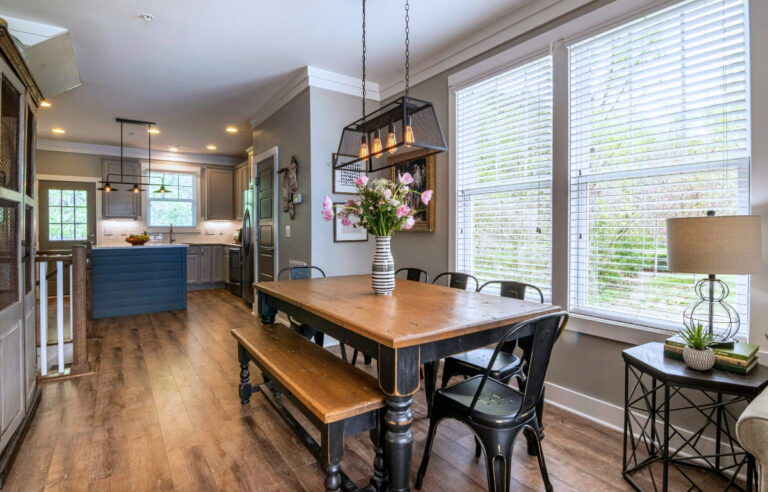

If you are planning to sell your home, renovating before putting it on the market can seem like an obvious way to increase its value.
But spending R100,000 on your property does not automatically make it worth R100,000 more.
In fact, one of the biggest risks when renovating specifically for resale is over capitalising: spending more on improvements than buyers in your suburb and price range are likely to pay back through the eventual selling price.
The improvements that make the biggest difference before selling are not necessarily the most expensive or visually impressive.
The best improvements to make before you sell tend to do one of three things:
Remove a reason for a buyer to negotiate your price down, improve the functionality of the property, or solve a problem the buyer would otherwise inherit.
That changes the renovation conversation considerably.
Start With the Improvements Buyers Don’t Want to Make Themselves
Before replacing kitchen cupboards or choosing new bathroom tiles, look at the less exciting parts of your property.
A leaking roof, visible damp, cracked walls, faulty plumbing, damaged ceilings, peeling exterior paint or obvious electrical problems can have a disproportionate effect on how buyers perceive a home.
These aren’t exciting improvements, but they matter.
When buyers encounter visible maintenance problems during a viewing, they aren’t necessarily calculating only the cost of that particular repair. They may also start questioning what other maintenance has been postponed.
That uncertainty can affect how they evaluate the property and, ultimately, what they are prepared to offer.
This means that taking care of maintenance before selling can sometimes make more financial sense than renovating.
Repairing a leaking roof may not create the visual transformation of a new kitchen, but it removes a potentially significant objection.
For a seller, protecting value can be just as important as adding value.
1. Add Usable Space Before Adding Expensive Finishes
One of the most important distinctions sellers should make is between improving how a home looks and improving what the property actually offers.
Additional usable living space can fundamentally change how a property competes.
An additional bedroom, second bathroom, home office, enclosed entertainment area or properly integrated living space may increase the number of buyers for whom the property is suitable.
This is particularly important when a property has an obvious functional limitation.
Consider a four bedroom family home with only one bathroom.
Renovating that bathroom with expensive finishes may make it considerably more attractive, but the property still has four bedrooms sharing one bathroom.
Adding a second bathroom could potentially solve a more important problem for the type of family likely to buy the home.
The same principle can apply to an unused room that could function as a home office or an existing covered area that could be properly integrated into the home’s living space, subject to the necessary building requirements and approvals.
If you have a limited renovation budget, ask:
Would making something prettier actually add more value than making the property more useful and functional?
Sometimes it won’t.
2. Kitchens Matter, but You Probably Don’t Need a New One
There is good reason kitchens appear on almost every property renovation list.
They are highly visible, expensive for buyers to replace and often influence how modern or dated the entire property feels.
But this is also where sellers can easily overspend.
Installing your dream kitchen immediately before selling may give the property an impressive transformation without producing an equivalent increase in market value.
Instead, consider what is actually making the kitchen feel dated.
If the layout works and the cabinetry remains structurally sound, there may be no reason to remove everything.
Cupboard doors can sometimes be refinished or replaced. Handles can be modernised. Old worktops can be updated. Better lighting can transform the space. Damaged splashbacks can be repaired and visibly dated fittings replaced.
A targeted refresh can therefore make considerably more financial sense than rebuilding an otherwise functional kitchen.
The objective when preparing to sell isn’t necessarily to create your perfect kitchen.
It’s to reduce the likelihood that prospective buyers walk into the room and immediately start calculating what it will cost them to replace it.
3. Bathrooms Can Deliver a Lot of Impact Without a Complete Renovation
Bathrooms share many of the characteristics that make kitchens important.
They’re expensive enough for buyers to notice when substantial work is required, but they can often be improved without rebuilding the entire room.
Old silicone, stained grout, damaged shower screens, poor lighting, worn taps and dated vanities can make an otherwise functional bathroom feel considerably older than it actually is.
Regrouting, replacing taps, improving lighting, updating a vanity, repairing a shower and repainting can significantly change that perception.
Again, however, sellers should consider functionality before luxury.
If a three or four bedroom family home has only one bathroom, creating a practical second bathroom may have a greater influence on the property’s appeal than transforming the existing bathroom into a luxury space.
Your improvement should respond to the property’s weakness, rather than simply following a generic renovation checklist.
4. Solar and Backup Power Have Changed the Conversation
A modern South African discussion about home improvements needs to go beyond kitchens, bathrooms and paint.
Energy infrastructure has become part of the property conversation.
A properly installed solar and inverter system provides something fundamentally different from a cosmetic renovation. It can reduce dependence on the electricity grid and potentially reduce ongoing electricity costs for the homeowner.
Energy efficient lighting, solar readiness, insulation and backup power can therefore contribute to the practical appeal of a property.
But sellers should still calculate carefully.
Installing an expensive solar system immediately before selling does not guarantee that buyers will increase their offers by the full installation cost.
If your home already has solar, however, make sure buyers understand exactly what is included.
Useful information can include:
- inverter capacity
- battery storage
- number and capacity of panels
- installation documentation
- warranties
- whether the system is owned outright or subject to a financing agreement
A significant feature that buyers don’t properly understand can be difficult for them to value.
5. Security Is an Improvement Buyers Can Understand
Security is another area where improvements can solve a practical concern rather than simply changing the appearance of a property.
Electric fencing, alarm systems, exterior beams, automated access, cameras and appropriate security gates can all contribute to the overall security offering of a home.
But there is an important balance.
A property should feel secure without feeling intimidating.
The most effective security improvements are generally those that integrate naturally into the property while addressing genuine vulnerabilities.
For sellers choosing between a highly decorative improvement and upgrading obviously inadequate security, the practical improvement may have greater relevance to prospective buyers.
6. Create Outdoor Living Space, Not Just a Prettier Garden
There is an important difference between spending heavily on landscaping and creating genuinely usable outdoor space.
A highly specialised garden may look beautiful, but the next owner may not value it in the same way you do.
A functional covered patio, braai area or well connected entertainment space offers something different.
It makes more of the property usable.
This can be particularly relevant in Gqeberha, where outdoor entertainment forms an important part of how many households use their homes.
A neglected courtyard transformed into a practical entertainment area may therefore have more relevance to buyers than spending the same amount on elaborate decorative landscaping.
Think function first.
7. Improve the Property’s First 30 Seconds
Kerb appeal is often described as a cosmetic consideration, but that understates its importance when selling.
The front boundary, driveway, garden, entrance and front door establish a buyer’s expectations before they have seen the kitchen, bedrooms or bathrooms.
A neglected exterior can make buyers start looking for problems.
Fortunately, improving this part of the property doesn’t necessarily require a large renovation budget.
Cleaning exterior surfaces, repairing damaged paving, repainting tired walls, cutting back overgrown vegetation, repairing gates, improving entrance lighting and refreshing the front door can all influence the property’s first impression.
This is one area where relatively modest spending can change the perception of the entire home.
8. Sometimes the Best Improvement Is Simply Making the House Look Maintained
There is a point where renovation stops adding meaningful value and becomes personal preference.
Before reaching it, consider the cumulative effect of dozens of smaller imperfections.
- A cracked light switch.
- A missing cupboard handle.
- A loose door hinge.
- A stained ceiling.
- A broken tile.
- Peeling paint.
- A dripping tap.
- Dirty grout.
- Damaged skirting.
Individually, none of these is likely to determine the selling price of a property.
Together, however, they tell a story.
Buyers may begin wondering what else hasn’t been maintained.
A property where everything appears to work properly can create a very different impression from one where buyers mentally compile a repair list as they walk from room to room.
That is why a comprehensive maintenance sweep before selling can be one of the most useful improvements available to a homeowner.
What About Swimming Pools?
A swimming pool is a good example of the difference between desirability and return on investment.
For the right buyer and the right property, a pool can be an important attraction.
But installing one specifically because you’re about to sell is considerably harder to justify.
Some buyers will value it highly. Others may see additional maintenance, water usage, safety considerations and running costs.
The same principle applies to highly personalised luxury additions.
Wine cellars, elaborate smart-home systems, imported finishes, expensive designer appliances and specialised entertainment spaces can make a home exceptional.
But exceptional doesn’t automatically mean profitable.
If only a small percentage of prospective buyers value an improvement as highly as you do, recovering its full cost through the selling price can become difficult.
The Improvement With the Highest Return Depends on Your Home
There isn’t one renovation that delivers the highest return for every property.
A four bedroom home with one bathroom has a different weakness from a modern townhouse with an outdated kitchen.
A property with excellent finishes but obvious damp has a different problem from a well maintained home with inadequate security.
And the level of finishes appropriate for a R1.5 million home may be very different from what buyers expect from a property several times that value.
This is why sellers should be particularly careful about renovating before establishing where their property currently sits within the local market.
Before Spending Money, Ask Four Questions
- What is the property realistically worth in its current condition?
- What are comparable homes actually selling for?
- What is preventing this property from competing with the best alternatives in its price range?
- Will the likely improvement in marketability or value justify what I’m about to spend?
These questions matter because renovations don’t exist independently of the surrounding property market.
If comparable homes in your area are selling around R2 million, spending R400,000 improving yours does not automatically create a R2.4 million property.
Your location, erf size, building size, condition, position, property type and surrounding comparable sales still influence what buyers may be prepared to pay.
This is the danger of over capitalisation.
Should You Renovate Before Selling?
Not necessarily.
Sometimes the financially sensible answer is to sell the property in its existing condition.
A homeowner may spend months completing an expensive renovation only to discover that the eventual selling price isn’t substantially different from what could have been achieved after completing essential maintenance and improving presentation.
There is also the buyer to consider.
You may choose finishes that aren’t to their taste.
The kitchen you spent heavily modernising could be the first thing the new owner changes.
This doesn’t mean sellers shouldn’t renovate.
It means renovation should have a clear purpose.
If an improvement solves an obvious functional problem, addresses deferred maintenance or brings a noticeably dated property closer to the standard buyers expect in its price bracket, it may make sense.
If the primary purpose is simply to make the home more luxurious, the financial case becomes less certain.
So, Where Should Sellers Spend Their Money?
For most sellers, the priorities should generally follow this order.
First, repair defects. Address anything that could make buyers concerned about future expenditure or the overall maintenance of the property.
Second, improve functionality. Additional usable space, a second bathroom or a better use of an existing area can fundamentally improve what the home offers.
Third, address noticeably dated kitchens and bathrooms. Refresh where possible rather than automatically replacing everything.
Fourth, consider practical infrastructure. Security, energy efficiency and backup power can address genuine buyer concerns.
Fifth, improve presentation. Paint, lighting, entrances, outdoor areas and smaller cosmetic improvements can help buyers see the property at its best.
The objective isn’t to make your home perfect before selling.
It is to understand where your money is most likely to influence how buyers perceive, compare and ultimately value the property.
Get the Numbers Before You Renovate
Before committing R50,000, R100,000 or considerably more to improving a property you intend to sell, it helps to understand its current market position.
A Comparative Market Analysis (CMA) can provide context around relevant comparable sales, current competing properties and where your home may sit within its local market.
That can change the renovation decision entirely.
You may discover that addressing a few maintenance issues and improving presentation is all that’s required.
You may identify one functional weakness worth correcting.
Or the numbers may suggest that a major renovation is unlikely to be recovered through the eventual selling price.
At LEAP Real Estate, our approach is to consider the property within the context of its local market before discussing how it should be prepared and positioned for sale.
Because the question isn’t simply:
“Will this improvement make my home better?”
The more important question for a seller is:
“Will this improvement make enough difference to buyers to justify what I’m about to spend?”
Thinking of selling your property in Gqeberha?
Request a complimentary Comparative Market Analysis from LEAP Real Estate before you renovate and understand where your money could make the biggest difference.
This article provides general property information. The effect of any renovation or improvement on market value will depend on the individual property, location, quality of work, buyer demand and prevailing market conditions. Building alterations and additions may also require appropriate municipal or other approvals.